How to Safely Use Torrents: A Comprehensive Guide
Torrenting is a widely used method for downloading and sharing large files via the internet. It uses peer-to-peer (P2P) technology to distribute parts of the file from multiple sources simultaneously, enhancing download speeds. However, this convenience also brings multiple risks, including exposure to malware, potential copyright infringement, and privacy issues. Here are some strategies to help you torrent safely and responsibly.
- Verify the Source
One of the most significant risks with torrenting is the potential for downloading files that contain malware. To mitigate this risk, always ensure you're downloading torrents from reliable and well-regarded sources. Sites that facilitate user reviews and ratings can offer additional layers of security by pointing out potentially compromised files.
.png)
- Stay on the Right Side of the Law
Many files available via torrents are protected by copyright laws, and downloading these without proper authorization is illegal. This can result in hefty fines or other legal repercussions. To avoid legal troubles, only download content that is freely available or for which you have explicit permissions.
- Use a VPN
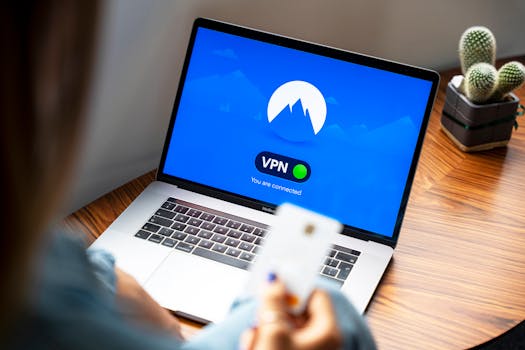
A Virtual Private Network (VPN) is crucial for maintaining your privacy while torrenting. A VPN hides your real IP address and encrypts your internet traffic, making it harder for third parties to track your online activities or determine your geographic location. This is particularly important in a torrenting context, where many users can see your IP address.
- Secure Your Connection
Ensure your network is secure when downloading torrents. Activate your firewall to block unauthorized incoming connections, and keep your antivirus software updated to protect against any malware that might bypass initial screenings.
- Manage Bandwidth Usage
Torrenting can be bandwidth-intensive, potentially slowing down your internet connection or resulting in exceeded data caps. Most torrent clients offer settings that allow you to control upload and download speeds. Adjusting these can help manage your bandwidth and mitigate impact on your internet performance.
Conclusion
While torrenting offers a valuable means of sharing and accessing large files, it's critical to approach this practice with an awareness of the potential risks. By choosing reputable torrent sources, using protective tools like VPNs, and securing your network, you can enjoy the benefits of torrenting while minimizing potential dangers. Always stay informed about the best practices for safe torrenting to keep your online interactions secure.