Ensuring Safety in the World of Torrenting
Torrenting has become a widely used method for downloading and sharing large files, leveraging the speed and efficiency of peer-to-peer (P2P) network technology. However, the openness of torrenting also brings about significant risks, including exposure to malware, potential infringement of copyright laws, and privacy breaches. By adopting essential safety measures, you can mitigate these risks and engage in torrenting more securely.
Understanding Torrenting and Its Associated Risks
.png)
Torrenting operates on a P2P network, allowing users to download and upload file segments simultaneously. This method, while efficient, exposes users to various risks:
- Malware: Malicious software can be hidden in torrent files and compromise your system upon download.
- Data Theft: Hackers can exploit poor security practices to access personal information.
- Legal Consequences: Sharing and downloading copyrighted content without permission can lead to legal penalties.
Essential Safety Measures for Secure Torrenting
To protect yourself while torrenting, consider the following strategies:
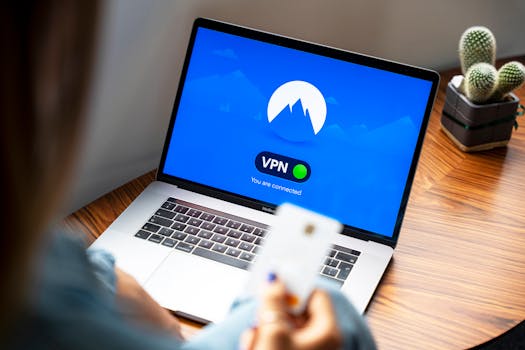
- Utilize a Reliable VPN: A Virtual Private Network (VPN) is crucial for safe torrenting. It encrypts your internet connection and anonymizes your online presence, shielding your activities from prying eyes. Choose a VPN that:
- Supports P2P sharing.
- Maintains a no-logs policy.
- Offers robust encryption techniques.
- Select Reputable Torrent Sites: Opt for well-known torrent sites that have a reputation for reliability and security. Avoid sites with excessive pop-up ads or suspicious links, as these can often lead to malware.
- Verify Torrent Files: Always check user comments and ratings before downloading torrents. Files uploaded by verified or reputable users are generally safer. This community feedback can act as a preliminary screening for security.
- Install Comprehensive Anti-virus Software: To further protect your system, ensure you have effective anti-virus software installed. This software can detect and remove malware from downloaded files.
- Steer Clear of Illegal Content: Be mindful of the content you download. Downloading copyrighted material without authorization can expose you to legal action. Whenever possible, choose content that is in the public domain or open-source.
- Secure Your Internet Connection: Avoid torrenting on public Wi-Fi networks, as these can be insecure and more susceptible to attacks. Instead, use a secure, private connection and maintain robust security settings on your home network.
- Limit Uploads: If possible, adjust your torrent client’s settings to limit the amount of uploading. Reducing uploads can decrease your visibility on the network and reduce the likelihood of legal repercussions.
- Keep Your Torrent Client Updated: Regular updates to your torrent client can close security gaps and enhance functionality. Stay updated with the latest versions to safeguard against potential vulnerabilities.
Conclusion
While torrenting offers a unique and efficient method for sharing files, it necessitates a high level of caution due to inherent security and legal risks. By employing a reliable VPN, choosing secure torrent sites, verifying the security of torrent files, and following other outlined safety measures, you can enjoy the benefits of torrenting while significantly reducing potential threats. Always prioritize your digital security and legal responsibilities when engaging in any form of online activity.