Torrenting, although a prevalent method for file sharing, comes with inherent security risks that can jeopardize your digital safety. By being aware of these risks and adopting protective measures, you can secure your activities and enjoy a safer torrenting experience. Here's a comprehensive guide to help you navigate the world of torrents safely.
Risks Associated with Torrenting
Torrenting operates on a peer-to-peer (P2P) network, making it different from traditional file downloading. Here are the primary risks involved:
.png)
- Malware and Viruses: Torrent files can contain hidden malware which can damage your system, compromise personal data, and integrate your device into a botnet.
- Legal Repercussions: Downloading and sharing copyrighted material without authorization is illegal in numerous jurisdictions and could lead to hefty fines or even imprisonment.
- Exposure to Cyber Attacks: Torrenting exposes your IP address to other peers, potentially making you a target for cyber-attacks.
Essential Tips for Safe Torrenting
To protect yourself while torrenting, consider the following strategies:
- Choose Reputable Torrent Sites: Opt for well-known torrent sites that have a strong community and user feedback system. This helps in avoiding malicious torrents.
- Use Strong Antivirus Software: Ensure your antivirus is robust and up-to-date. Scanning files before opening them can save you from potential threats.
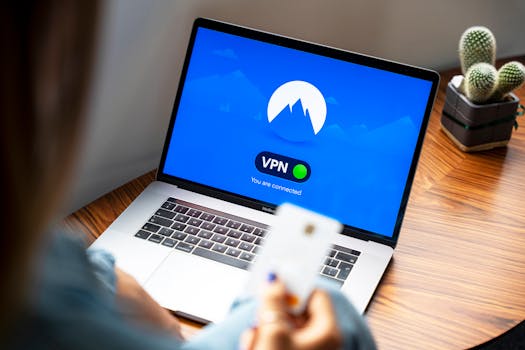
- Employ a VPN: A Virtual Private Network (VPN) is critical for hiding your IP address and encrypting your online activities, providing an essential layer of privacy and security.
- Check Comments and Ratings: Insights from other users can guide you about the torrent’s reliability and safety. Always read through user comments and check ratings before downloading.
- Steer Clear of Illegal Content: Avoid torrents that may involve copyrighted material unless it is verified to be legally sharable. This reduces both legal risks and exposure to malware.
- Select a Secure Torrent Client: Use a torrent client known for its security features and consistent updates. Good security practices by the client can enhance your overall safety.
- Adjust Torrent Client Settings: Disable automatic downloads and opt for selective file downloads to minimize the risk of downloading unwanted or harmful files.
- Use Peer Blockers: Implementing software that blocks connections from known harmful IP addresses can decrease the risk of attacks from malicious entities.
Conclusion
While torrenting is a valuable tool for file sharing, it's essential to approach it with caution due to the associated risks. By understanding these risks and implementing effective safety measures, you can safeguard your privacy and enjoy a secure torrenting experience. Always prioritize your digital safety and stay informed about best practices in online security. Happy torrenting, and remember to stay safe!