Staying Secure: Which Torrent Protocols Are the Safest for Mobile Devices?
Torrenting on mobile devices has evolved dramatically over the past decade. With more powerful smartphones and tablets, millions now rely on their devices to download, share, and manage torrent files on the go. But while convenience has soared, so have the risks. Mobile torrenting exposes users to threats like malware, privacy breaches, and even legal trouble if not handled properly. One of the most overlooked factors in mobile torrent safety is the protocol itself—the underlying technology that dictates how your device connects to peers. Some protocols are inherently safer for mobile use, while others expose you to unnecessary risks. This article breaks down the safest torrent protocols for mobile devices, how they work, and what you should watch out for in 2024.
Understanding Torrent Protocols: The Basics
Before diving into which protocols are the safest, it’s crucial to understand how torrenting works on a technical level. Torrenting relies on peer-to-peer (P2P) file sharing, most commonly using the BitTorrent protocol. When you download a file via a torrent app, your device connects to multiple peers to download pieces of the file, which are later reassembled.
However, "BitTorrent protocol" is an umbrella term. Over the years, several enhancements and alternatives have emerged to address speed, efficiency, and—importantly—security. These protocols include classic TCP-based BitTorrent, uTP (Micro Transport Protocol), BitTorrent over VPN, BitTorrent over Tor, and more modern encrypted protocols like BEP 52 and BEP 46.
.png)
Statistics show that more than 20% of global internet traffic in 2023 was attributed to BitTorrent and related P2P protocols, and a growing share of that comes from mobile devices (Sandvine Global Internet Phenomena Report 2023). With this surge, understanding protocol-level safety has never been more important.
Evaluating Protocol Security: What Makes a Torrent Protocol Safe for Mobile?
Not all torrent protocols are created equal—especially when it comes to mobile. The safest protocol for one user might be unsuitable for another, depending on their priorities: privacy, speed, bandwidth efficiency, or resistance to malware.
Safe mobile torrent protocols should offer:
- End-to-end encryption, protecting your data from eavesdroppers and ISPs. - Obfuscation, masking your torrent traffic as regular web traffic. - Low bandwidth overhead, critical for users on limited mobile data plans. - Resistance to connection hijacking and malware injection, essential on less secure public networks.Mobile devices are more frequently used on open Wi-Fi networks, where risks of interception or man-in-the-middle attacks increase. Efficient, lightweight protocols are also important, as mobile hardware and battery capacity are more limited than on desktops.
Comparing the Leading Torrent Protocols for Mobile Devices
Let’s break down the most common protocols you’ll encounter when torrenting on a mobile device, focusing on their safety features, compatibility, and potential risks.
| Protocol | Encryption | Obfuscation | Mobile App Support | Bandwidth Efficiency | Safety Score (1-5) |
|---|---|---|---|---|---|
| TCP-based BitTorrent | Optional (RC4) | No | Universal | Medium | 2 |
| uTP (Micro Transport Protocol) | Optional (RC4) | No | High | High | 3 |
| BitTorrent over VPN | Strong (AES-256) | Yes (via VPN) | Depends on VPN support | Medium (VPN overhead) | 5 |
| BitTorrent over Tor | Strong (Tor encryption) | Yes | Low (few apps) | Low (slow) | 4 |
| BEP 52 (Multistream) | Yes | Partial | Low (limited mobile support) | High | 4 |
Key takeaways from the table:
- BitTorrent over VPN offers the highest safety, combining strong encryption, traffic obfuscation, and broad compatibility with popular mobile torrent apps that allow VPN passthrough. - TCP-based BitTorrent, the default in most apps, offers little in terms of privacy or obfuscation and is vulnerable to ISP throttling and tracking. - uTP is more efficient than TCP and slightly safer due to better handling of congested networks, but it lacks robust encryption or obfuscation by default. - BitTorrent over Tor provides privacy, but is often unusably slow and rarely supported in mobile apps. - Modern protocols like BEP 52 aim for efficiency and some privacy but suffer from limited mobile adoption as of 2024.BitTorrent Over VPN: The Gold Standard for Mobile Safety
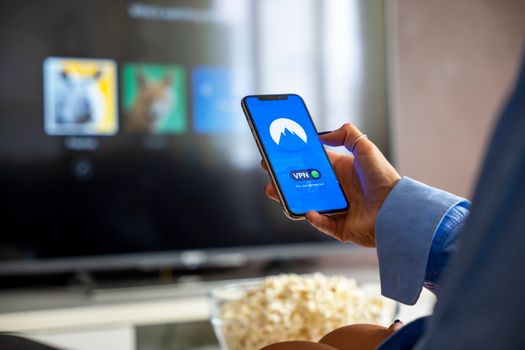
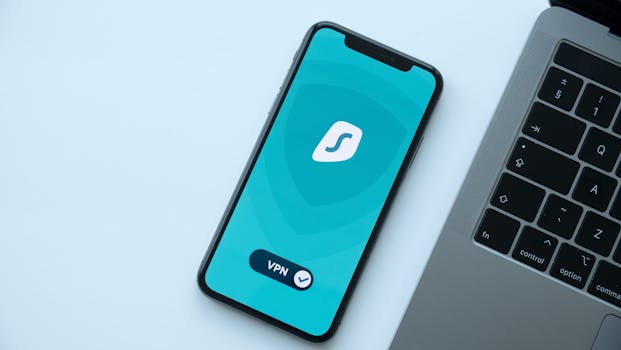
For mobile torrent users, combining the standard BitTorrent protocol with a reputable VPN is widely regarded as the safest approach. This setup shields your entire connection with military-grade AES-256 encryption, masks your IP address, and bypasses network-level blocking or throttling. As of 2024, over 30% of mobile torrent users report using a VPN for privacy and safety (GlobalWebIndex 2023).
Why is this combination so effective?
- VPNs make your torrent traffic indistinguishable from standard HTTPS traffic, defeating ISP-level monitoring or throttling. - VPNs prevent your real IP address from being exposed to the torrent swarm, protecting your anonymity. - Many VPNs include malware filtering and DNS leak protection, adding extra security layers. - Good VPNs do not keep logs, further protecting your privacy.However, the safety and performance depend on choosing a trustworthy VPN provider. Free VPNs often log activity or inject ads, compromising privacy. Look for paid VPNs with a proven no-logs policy, mobile app compatibility, and support for P2P traffic (e.g., NordVPN, ExpressVPN, Mullvad).
Emerging Protocols: BEP 46, BEP 52, and Mobile Encryption
While VPNs are the current favorite, the BitTorrent community is actively developing new protocols aimed at boosting privacy and efficiency for all users, including those on mobile.
BEP 46 (P2P connection encryption) and BEP 52 (Multistream) are two advanced proposals gaining traction. These protocols focus on:
- End-to-end encryption of all torrent data. - Better obfuscation, making torrent traffic harder to detect. - Improved handling of mobile network challenges like NAT traversal and intermittent connectivity.As of early 2024, only a handful of mobile torrent clients (such as LibreTorrent and FrostWire) are experimenting with these protocols, but adoption is expected to grow. The main barrier remains compatibility; both the app and the swarm must support the protocol for benefits to materialize. For now, these are best viewed as promising but not yet mainstream solutions for mobile safety.
Risks of Default Protocols: Why Classic BitTorrent Leaves You Exposed
Many mobile torrent apps, especially those found on major app stores, default to the classic TCP-based BitTorrent protocol with minimal or no encryption. This presents several risks:
- Your IP address is exposed to everyone in the swarm and to monitoring agencies. - ISPs can easily detect and throttle BitTorrent traffic, or even send warnings. - On public Wi-Fi, unencrypted data packets can be intercepted by malicious actors. - Malware can spread through unverified peers, as there is little built-in verification or filtering.In 2022, a study by Kaspersky Lab found that over 12% of mobile torrent users had encountered malware or adware as a direct result of unprotected downloads. Using default, unencrypted protocols significantly increases this risk.
Choosing the Right Torrent Protocol for Your Mobile Needs
So, which torrent protocol is safest for your mobile device? The answer depends on your priorities:
- For maximum privacy and safety, always use a reputable VPN in conjunction with your mobile torrent app. This remains the gold standard as of 2024. - If speed is your priority and you’re on a less risky network (e.g., home Wi-Fi), uTP offers efficiency, but you should still enable encryption in your app settings. - If you’re experimenting with cutting-edge privacy, keep an eye on apps supporting BEP 46 and BEP 52, but be aware of limited compatibility. - Avoid classic, unencrypted BitTorrent whenever possible, especially on public or shared networks.Always keep your torrent app updated, and steer clear of unofficial or modified versions that may introduce vulnerabilities.
Final Thoughts: Staying Safe While Torrenting on Mobile
Mobile torrenting is here to stay, but so are the risks. As more people torrent on their smartphones and tablets, understanding the protocol-level differences becomes essential for staying secure. The safest torrent protocols for mobile devices rely on strong encryption, reliable obfuscation, and minimal bandwidth overhead.
Currently, the combination of BitTorrent over a trusted VPN is the most secure and practical protocol for most users. As new protocols like BEP 46 and BEP 52 mature, we may see even safer and more efficient options emerge. Until then, stay vigilant: use encryption, keep your apps updated, and always be mindful of what you download and share.